abroad
Managing Hypertension in Nigerian Elders: A Guide for Families Abroad
Famvablog
Hypertension affects over 63% of older adults in Nigeria. Here is what UK-based family members need to understand, and how to help from thousands of miles away.
Hypertension — commonly called "high blood pressure" — is the single most prevalent chronic condition among older Nigerians. Yet it remains dangerously under-managed, largely due to irregular access to healthcare, low medication adherence, and diet patterns that can exacerbate the condition.For families in the UK, this creates a particular kind of anxiety: you know the risk is real, but you have limited ability to intervene.
Why Nigerian Elders Are Especially Vulnerable
Several converging factors drive high hypertension rates in older Nigerian adults:
Diet
: High sodium intake from preserved fish, seasoning cubes, and heavily salted stews contributes significantly to elevated blood pressure.
Stress
: Economic insecurity, grief, and social isolation all raise cortisol levels which in turn spike blood pressure.
Limited monitoring
: Without affordable, accessible blood pressure monitors and the habit of using them, many elders go months without knowing their readings.
Medication gaps
: Even when prescribed, medication costs and supply interruptions lead to inconsistent adherence — often the most dangerous pattern of all.
What You Can Do From the UK
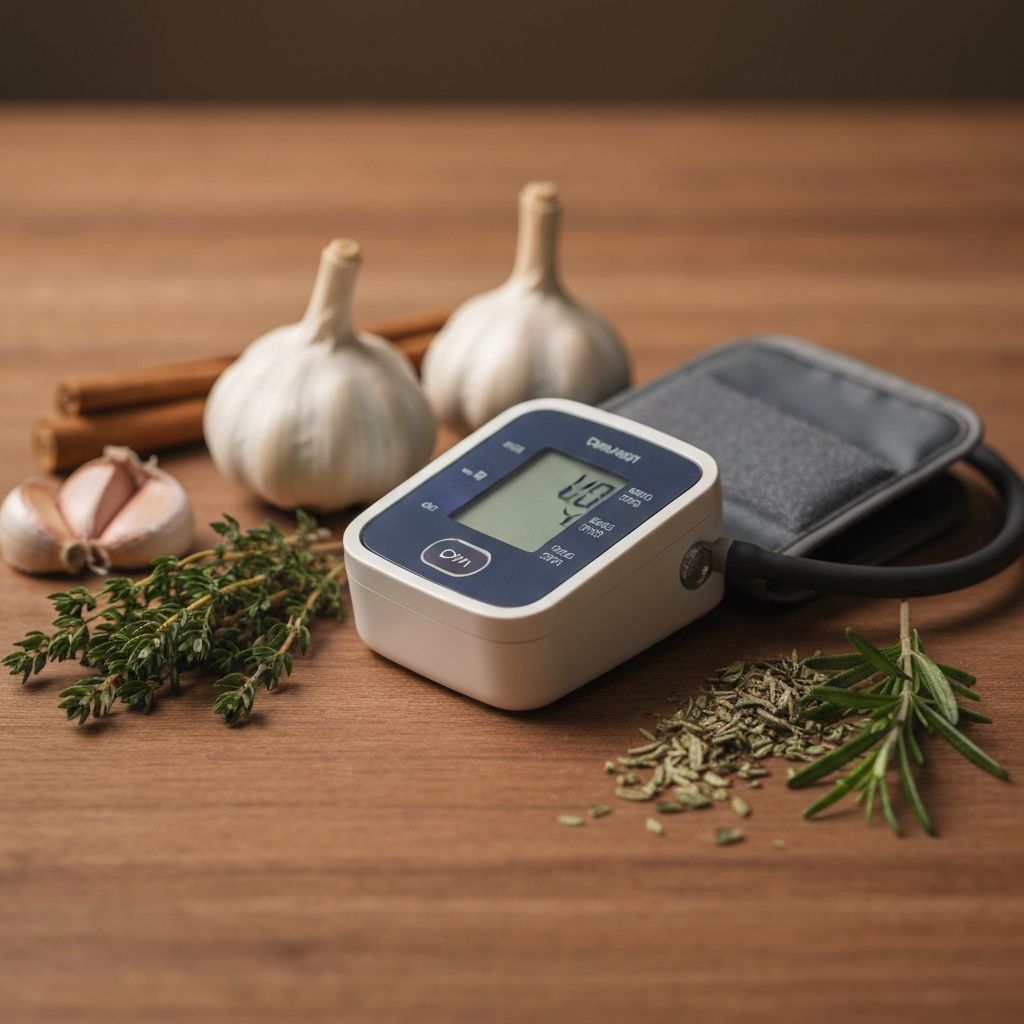
The good news is that meaningful intervention is possible even remotely.1. Fund and arrange a home blood pressure monitor. A basic digital BP monitor costs under £20 to ship or buy locally. Pair this with a simple log — even a paper one — and ask your parent to record readings twice weekly.2. Adjust the diet remotely. Work with a local relative or carer to reduce salt in cooking. Encourage more vegetables, less red meat, more fish. Apps like Famva provide culturally-specific meal plans built for common Nigerian ingredients.3. Establish medication routines. Medication reminders set on a phone — or through a care platform — can improve adherence dramatically. Research shows structured digital reminders raise adherence rates by up to 40%.4. Monitor patterns, not just incidents. A single high reading is less meaningful than a trend. Tracking weekly data allows family members to spot concerning patterns before they become crises.
The Role of Technology
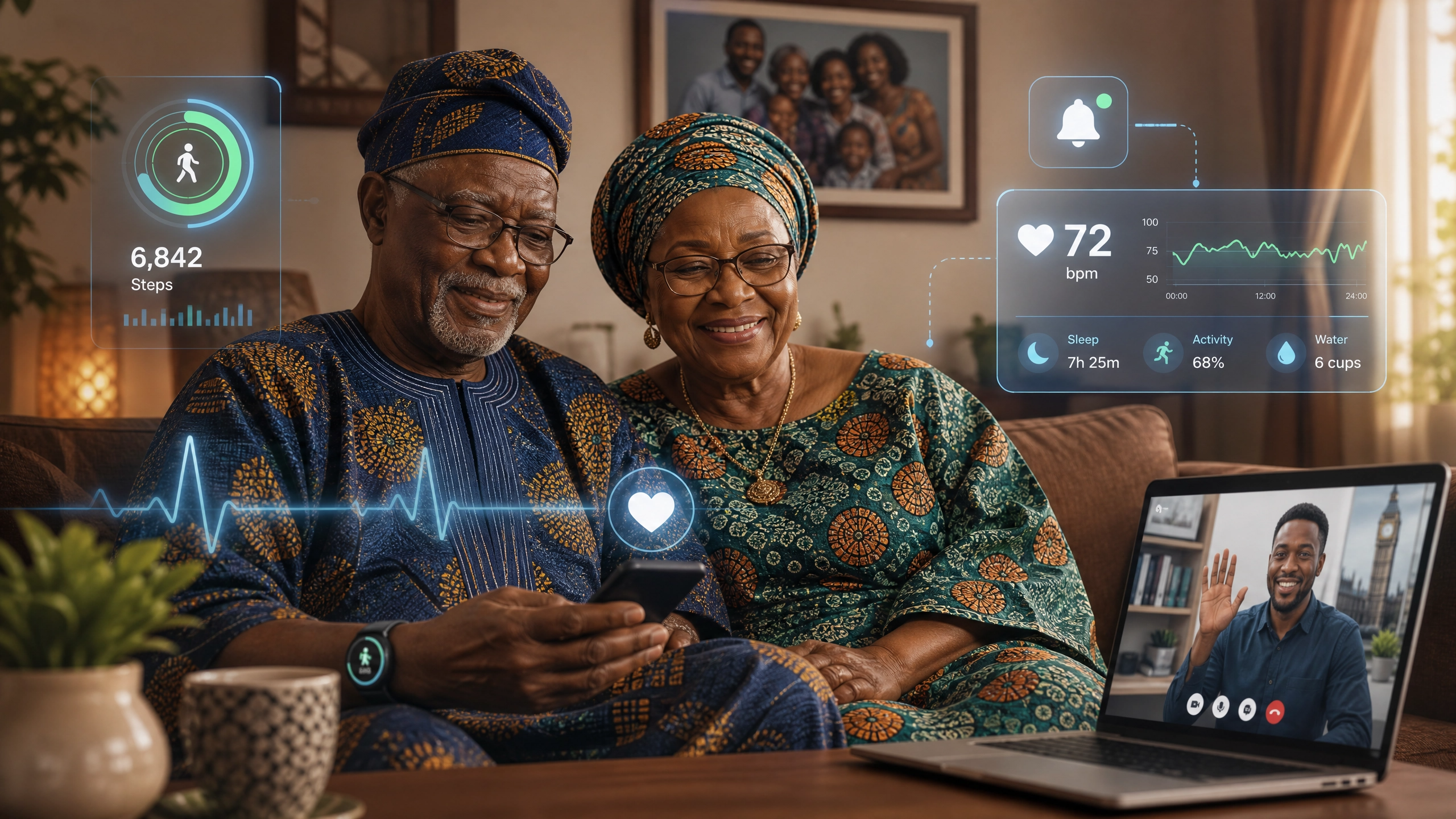
Platforms like Famva are designed specifically for this challenge — generating personalised plans built around Nigerian dietary staples, sending medication reminders, and alerting UK sponsors when readings trend in a concerning direction.The goal is not to replace a doctor. It is to fill the enormous gap between doctor visits and daily life — where most health outcomes are actually determined.If your parent has been diagnosed with hypertension, the most important thing you can do right now is establish a routine. Small, consistent actions compound dramatically over time.